


The Origins of BI(G)MED
In the very early 2000s, the complete sequencing of human DNA (the “Human Genome” project) highlighted the importance of genetics in the functioning of the immune system.
Dr. Gilbert Glady, then specializing in micro-immunotherapy, quickly perceived the full potential of these discoveries.
Major scientific breakthroughs
1796
Homeopathy & ultra-low doses
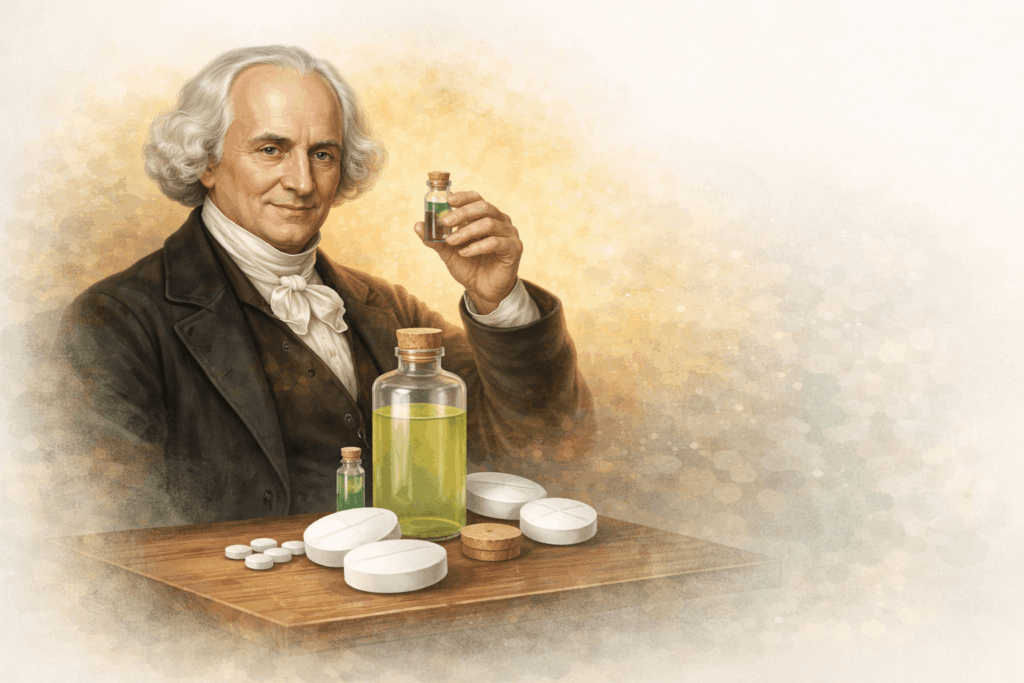
Samuel Hahnemann founded homeopathy, introducing the principle of infinitesimal dilutions.
1869
Discovery of DNA
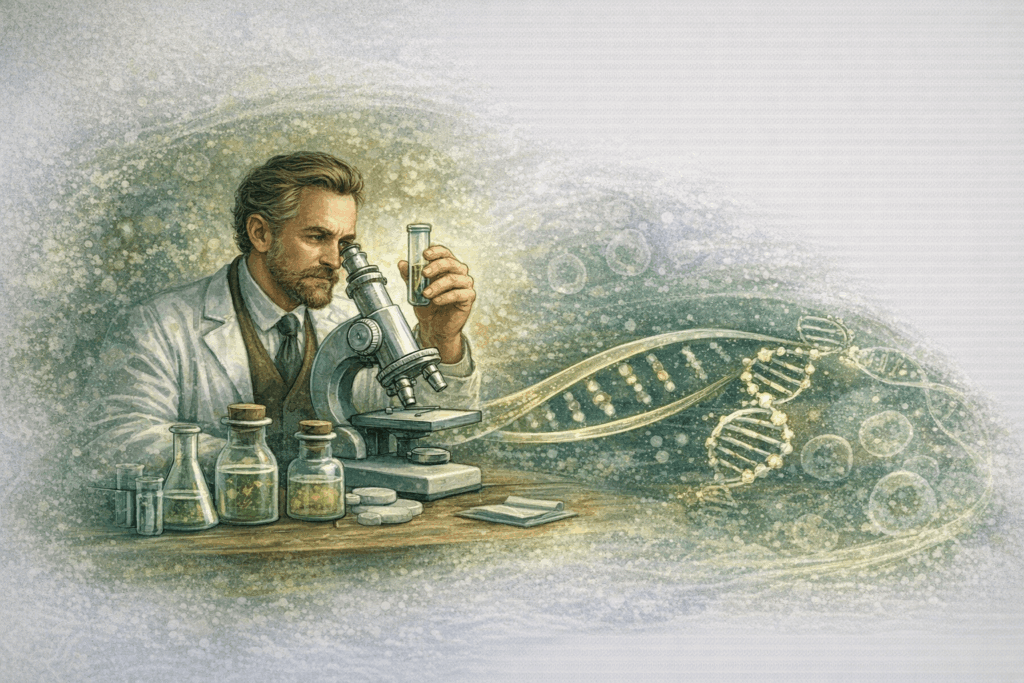
Friedrich Miescher isolated a substance in cell nuclei that he named “nuclein” (later recognized as DNA).
1893
First steps toward immunotherapy
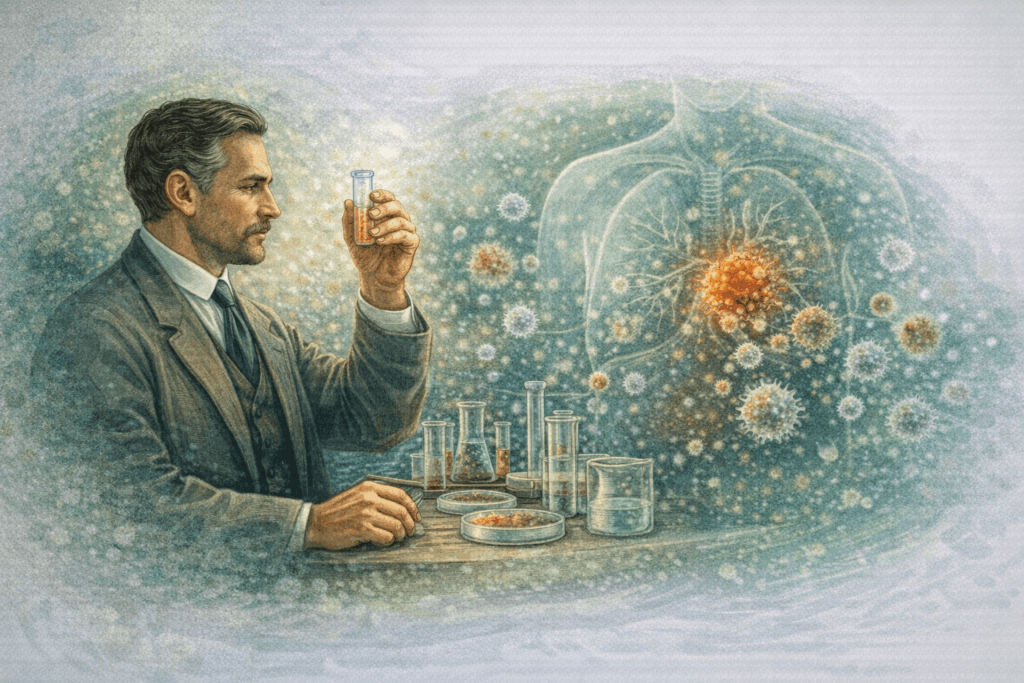
William B. Coley demonstrated that tumors could be treated by stimulating the immune system.
1942
Discovery of epigenetics
Conrad Hal Waddington laid the foundations for the modification of the phenotype by the environment without affecting DNA.
1953
Double helix structure of DNA
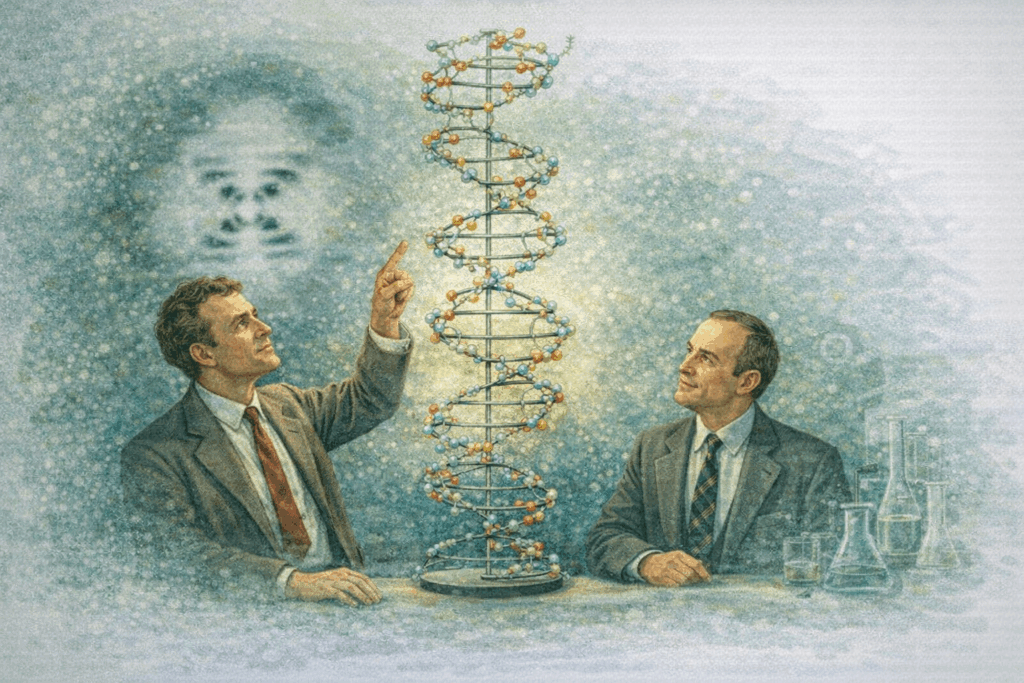
James Watson and Francis Crick described the structure of DNA, based on data from Rosalind Franklin.
1975
Monoclonal antibodies
Georges Köhler and Cesar Milstein developed monoclonal antibody technology, the foundation of future immunotherapies.
1993
Discovery of microRNAs (miRNAs)
Victor Ambros and Gary Ruvkun identified the first microRNA in the nematode C. elegans, regulating gene expression.
1996
Epigenetic mechanisms
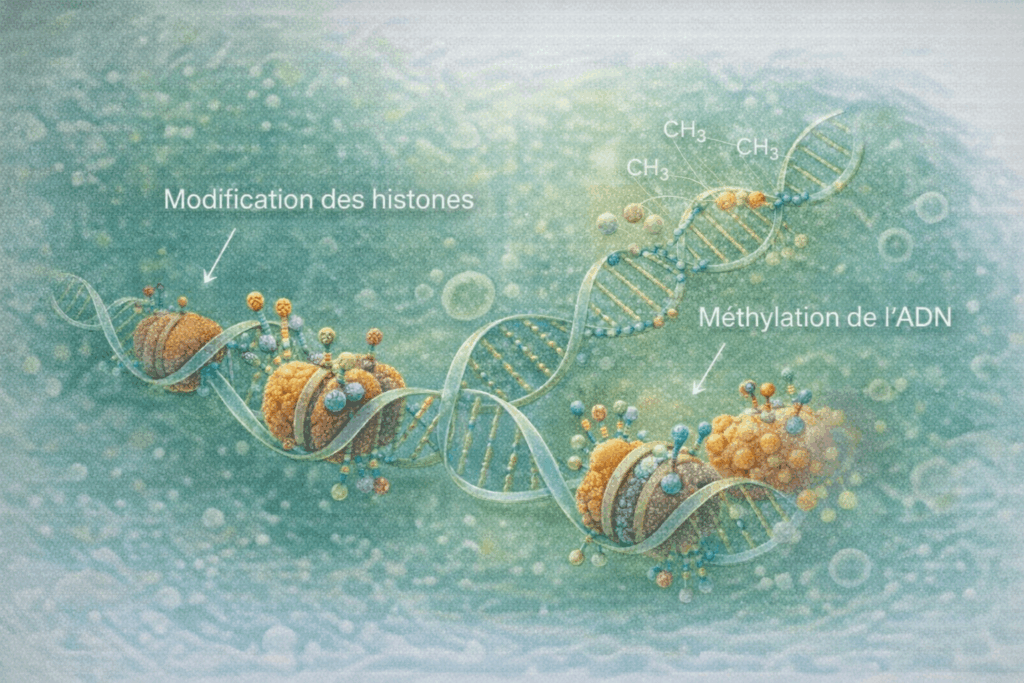
Recognition of histone modifications and methylation as key regulatory mechanisms.
1998
RNA interference (RNAi)
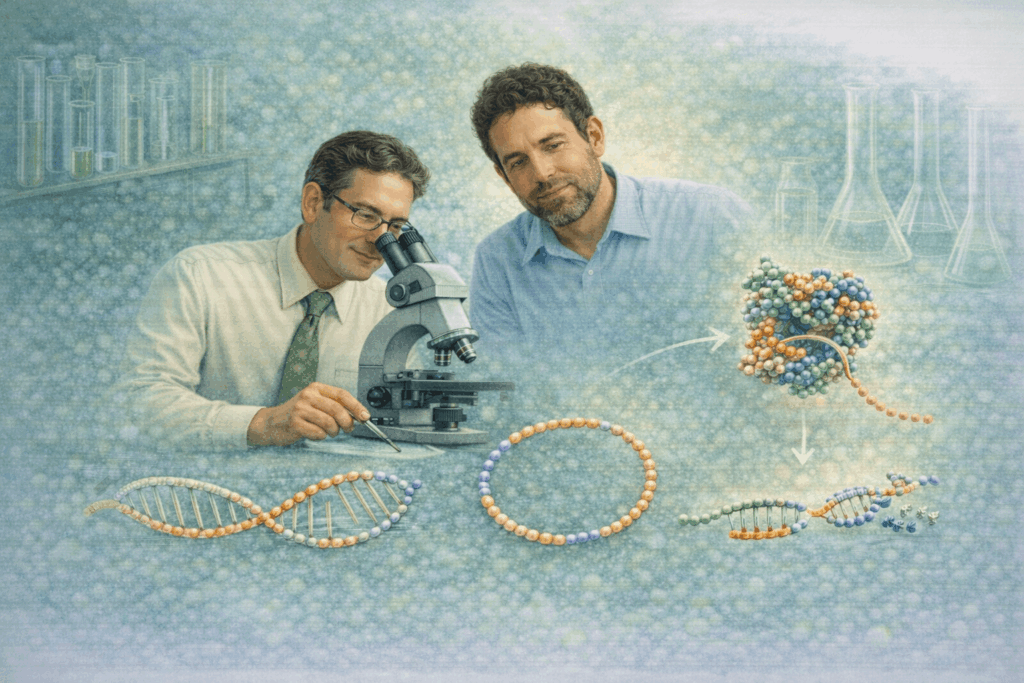
Andrew Fire and Craig Mello discovered that double-stranded RNA can specifically inhibit gene expression, a mechanism known as RNA interference.
2000s
Research on non-coding RNAs
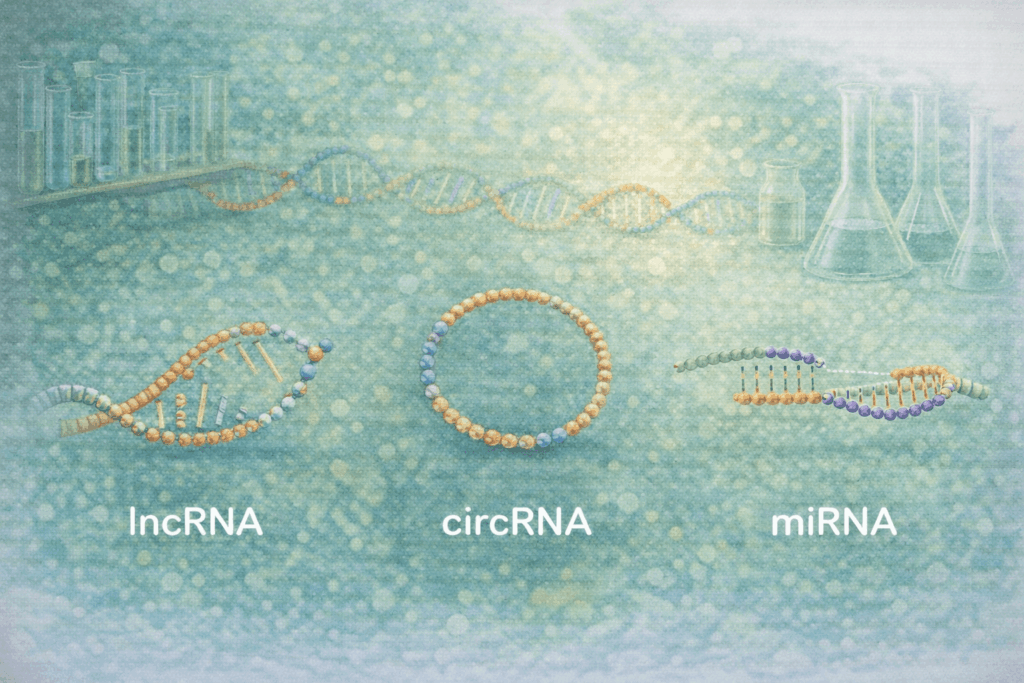
Recognition that the majority of the genome transcribes non-coding RNA: lncRNA, circRNA, piRNA…
Since 2010
Research on ultra-low doses

Studies on hormesis, weak signals, water memory, nanostructures, and ultra-low-dose RNAs.
From micro-immunotherapy to BI(G)MED
1983-2010
Dr. Gilbert Glady disseminated micro-immunotherapy in Europe, after working alongside Dr. Maurice Jenaer, a pioneer in the use of high dilutions in immunology.
2010
Dr. Gilbert Glady created Bio Immuno(G)enetic Medicine (BI(G)MED), integrating these discoveries to better modulate gene expression through microRNAs.
2012
Dr. Gilbert Glady created the European Bio Immuno(G)enetic Medicine Association EBMA to develop and promote BI(G)MED in Europe.
Thanks to the contribution of genetics and epigenetics, BI(G)MED presents itself as an innovative therapeutic method, capable of influencing the molecular and immune mechanisms at the heart of many pathologies.
Its rapid expansion in Europe illustrates the growing interest in these global and personalized health approaches.
Since the creation of BI(G)MED by Dr. Glady, hundreds of therapists have been trained in several countries, including France, Belgium, Switzerland, Germany, Austria, and Spain.