



Epigenetics and Non-Coding RNAs
Epigenetics encompasses all processes that modify gene activity without changing the DNA sequence.
Epigenetics
To respond in real time to changes in our activity or environment, our cells modulate the expression of their genes—that is, they continuously adjust the type and intensity of protein synthesis. As this modulation occurs without DNA mutation, epigenetic modifications ensure this constant adaptation.
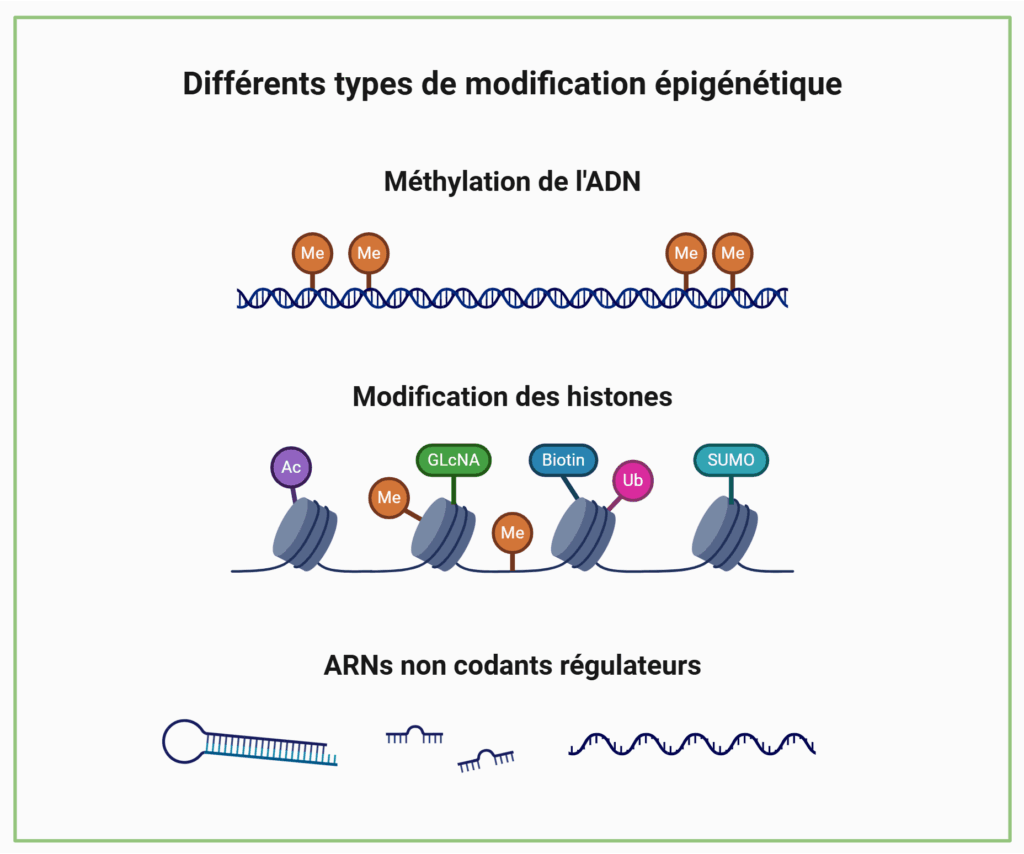
These mechanisms include:
- DNA methylation: The addition of methyl groups to certain DNA bases, influencing gene reading.
- Histone modifications : The acetylation, methylation, or phosphorylation of these structural proteins, modulating access to DNA.
- Regulatory RNAs : Non-coding RNA molecules (microRNAs, long non-coding RNAs) that can repress or activate gene expression.
Through these mechanisms, the body can continuously adapt the expression of its genes according to the signals it receives (diet, stress, environmental exposures, etc.).
The role of the immune system in responding to external challenges
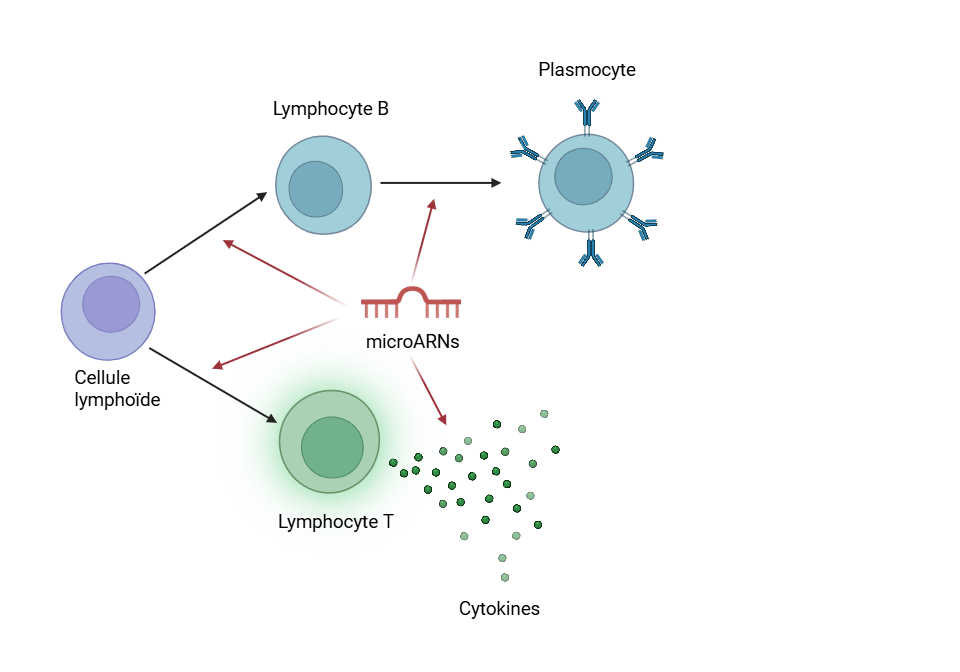
The immune system is on the front line in enabling the body’s adaptation to environmental changes. Overexpression of membrane receptors, proliferation, differentiation, and polarization of immune system cells are all essential mechanisms for an appropriate immune response, and they are controlled by a large number of epigenetic factors.
Non-coding RNAs
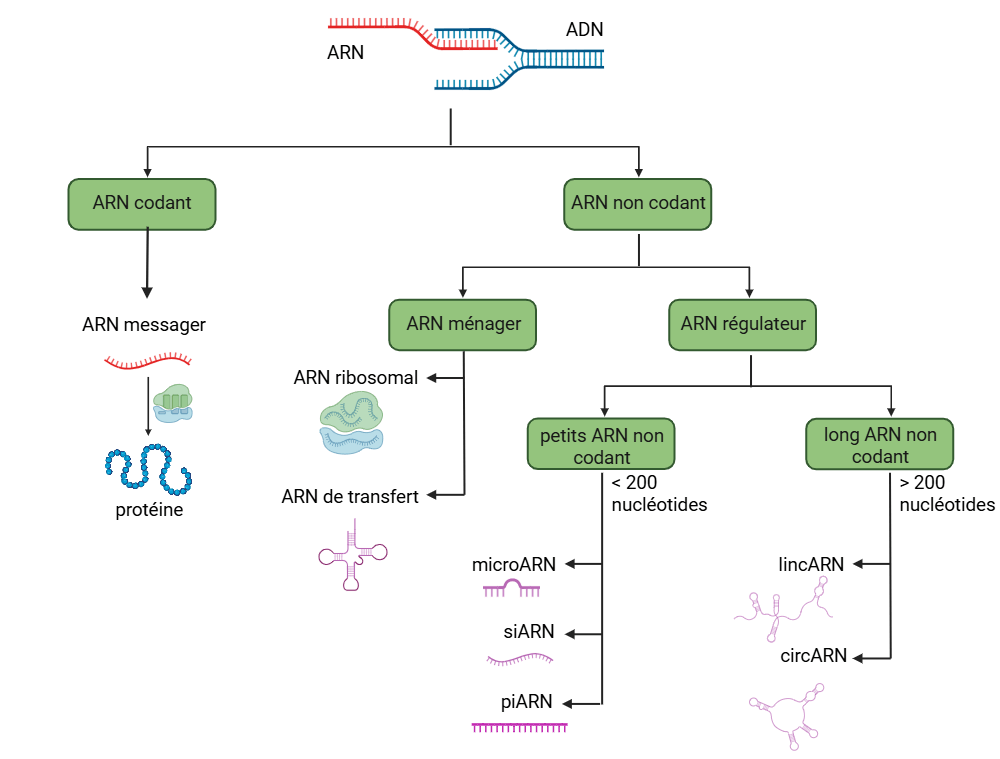
For a long time, DNA was believed to have the sole role of carrying the genetic information needed for protein synthesis. The decoding of the human genome, at the very beginning of this century, brought many surprises, including:
- While it was expected that there would be as many genes as proteins (around 100,000 different proteins in humans), the number of protein-coding genes is only 25,000.
- Across the entire human genome, only 3% contains genes that code for proteins.
For many years, the role of the remaining 97% could not be identified, to the point that it was called “junk DNA”.
However, it is now known that, far from being useless, this non-coding DNA carries the code enabling the synthesis of non-coding RNA.
MicroRNAs
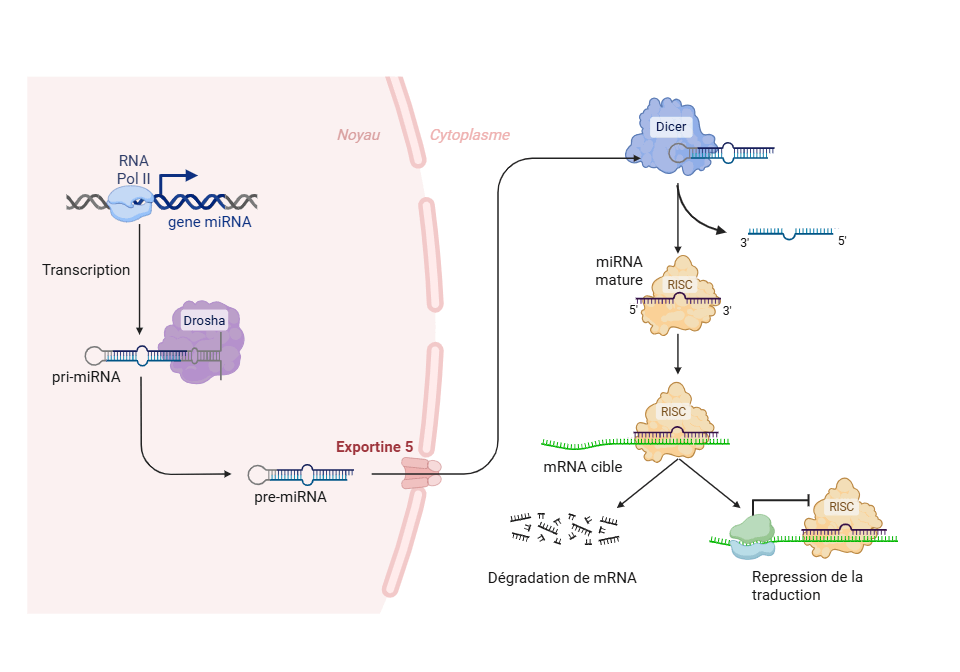
Among regulatory non-coding RNAs, microRNAs are undoubtedly those that have been the subject of the greatest amount of research to date.
They earned their discoverers, Professors Victor Ambros and Gary Ruvkun, the 2024 Nobel Prize in Physiology or Medicine.
These small RNA strands of around twenty nucleotides have the ability to pair with a target messenger RNA and block its translation into proteins.
-
Cellular Self-Regulation and Homeostasis
Homeostasis is the body’s ability to adapt to environmental changes in order to maintain its internal balance. -
Biomimicry and Ultra-Low Doses
Bio Immuno(G)enetic Medicine draws inspiration from fundamental biological processes to restore immune balance. -
What is Bio Immun(G)ene Medicine?
BI(G)MED stands for Bio-Immuno(G)enetic Medicine. This innovative medical approach aims to restore the natural self-regulation of cells.